What Will Travel Be Like After The Coronavirus? - Forbes
What Will Travel Be Like After The Coronavirus? - Forbes |
| What Will Travel Be Like After The Coronavirus? - Forbes Posted: 18 Mar 2020 07:28 AM PDT Bill Patton wants to know what travel will be like after coronavirus. He and his family of 10 are headed to Antibes, France, in late May to celebrate their 50th anniversary. They've tried to cancel because of the coronavirus, but so far neither their airline or their vacation rental company will offer a refund. "Our doctor advises we do not travel under the coronavirus conditions," says Patton, who is 76 and has a history of diabetes, allergies and asthma. So what will France be like in May? What will travel be like after the coronavirus peaks? Will anyone be traveling at all? A new survey suggests travel is alive and well. More than half of Americans (58%) are planning to travel between May and September 2020, as long as their destinations aren't in quarantine. But they're being careful. A quarter of participants will try to avoid big cities and public transportation, and 21% will choose domestic travel, according to the survey conducted by LuggageHero. "Demand will come back stronger than ever once the situation is over," says Jannik Lawaetz, LuggageHero's CEO. 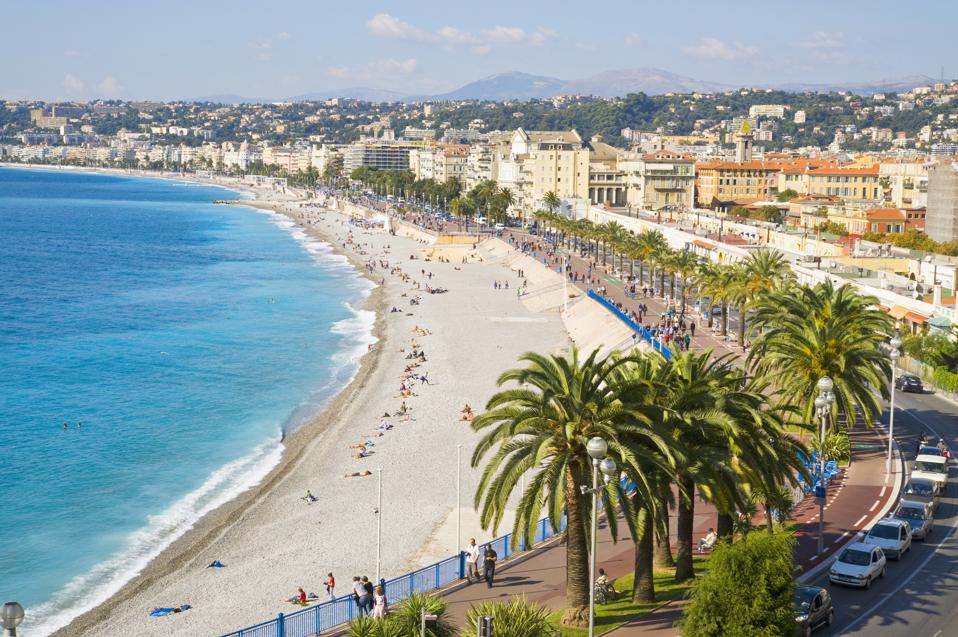 A celebrated promenade along the Mediterranean beach at Nice, France. The Cote d'Azur is practically ... [+] GettyHow will people travel after the coronavirus? Here's how people will travel after the coronavirus:
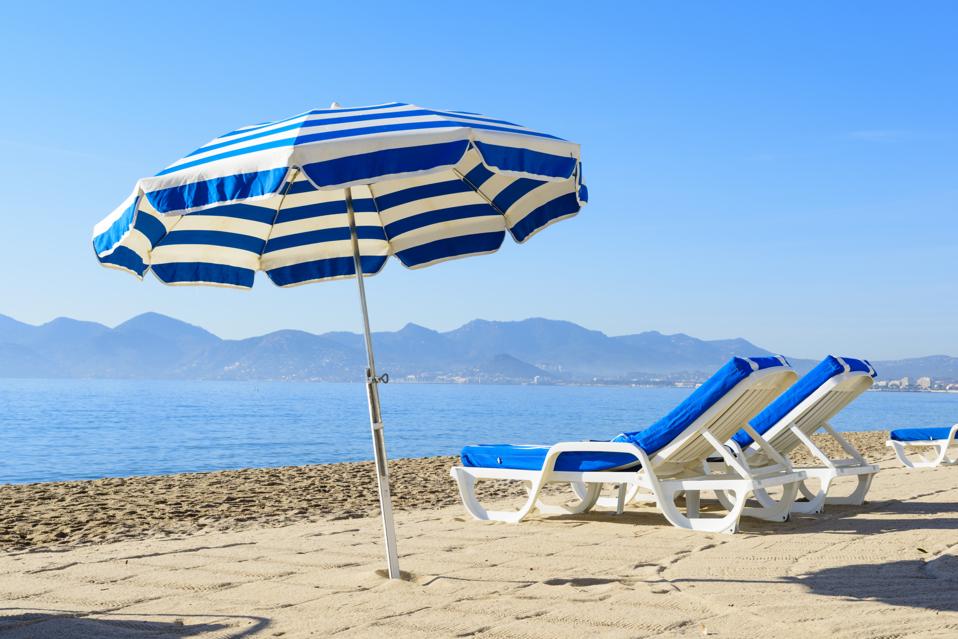 Parasol and sunbeds on a sandy beach in Cannes in the South of France. Europe's borders are closed ... [+] GettyWhat will my destination be like this spring? I know what Southern France is like now because I'm there. I detoured to Nice, France, on my way to Italy and found an apartment on Vrbo to wait out the virus. It was a little scary at first. All the cafés and restaurants closed. There are police checkpoints in the streets. But there's also a sense of normalcy and perspective that seems to be lacking in the United States. After all, France has survived its fair share of pandemics and world wars. People here are taking this crisis in stride and are confident it will be over soon — certainly by the time Patton and his family arrive here. The borders to Europe are closed for the next 30 days in an effort to contain the coronavirus. After that, things will probably return to normal quickly. By May, Patton and his family might really need that vacation in southern France. For anyone else with spring travel plans, experts say the outlook is pretty decent. If the borders open up, your destination will happily welcome you. But that's a big "if." Will the travel industry come back from coronavirus? Ask experts and they'll tell you that travel will come back quickly. Probably faster than anyone expects. "Despite the challenges, it won't be this way forever," says John Lovell, president of leisure travel and supplier relations and networks at Travel Leaders Group. "Travel and tourism is a highly resilient industry that has come back again and again from diseases and natural disasters." Industry watchers like Lovell predict a quick bounce back for tourism, despite the current doom-and-gloom headlines. They point out that travel rebounded quickly after other pandemics and disasters, including 9/11. "You have to assess your own risk tolerance, take reasonable and prudent precautions, and make smart decisions about your travel," he adds. "Right now, there are amazing travel deals to destinations all over the world." 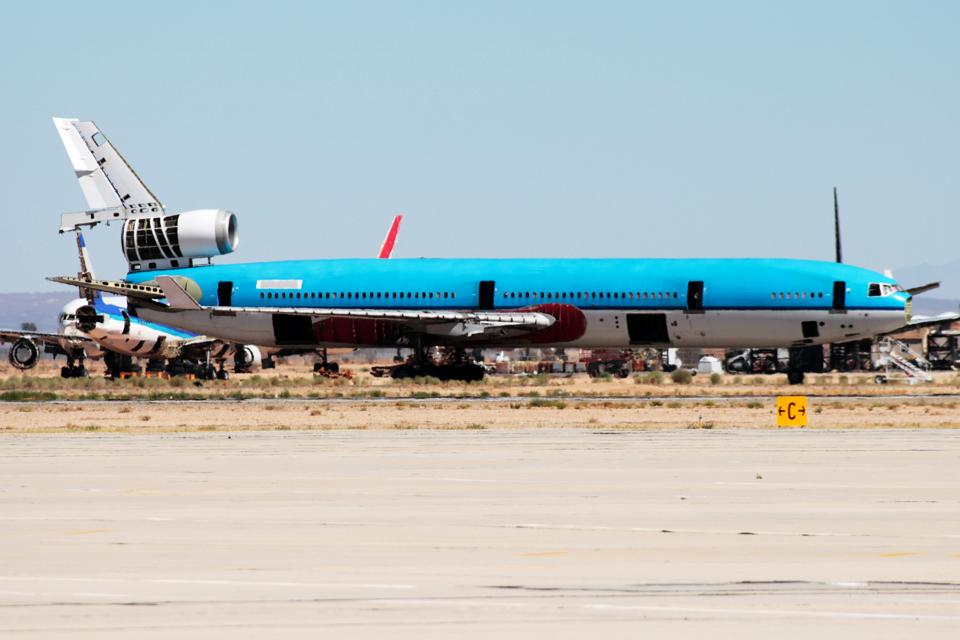 Scrapped MD-11 aircraft at Southern California Logistics Airport. Airlines face an imminent danger ... [+] GettyWhat will travel be like after coronavirus? Chances are, your destination will immediately begin an aggressive coronavirus recovery program the moment the "all clear" signal is given. That's the prediction of Wayne Smith, chairman of the Department of Hospitality and Tourism Management at the College of Charleston. "Most destinations will institute a recovery strategy in which discounts may be a part of the overall enticement to return to travel," he says. But don't look for deep discounts. Smith says the best strategies may not necessarily have cheaper prices but to offer more value. "Examples I have seen in the past would be a hotel offering free meals with room purchase and maybe even packaging in attraction tickets," he says. "Instead of looking for the cheapest price, I would be looking for the best value. There are going to be plenty of high-value travel packages available." 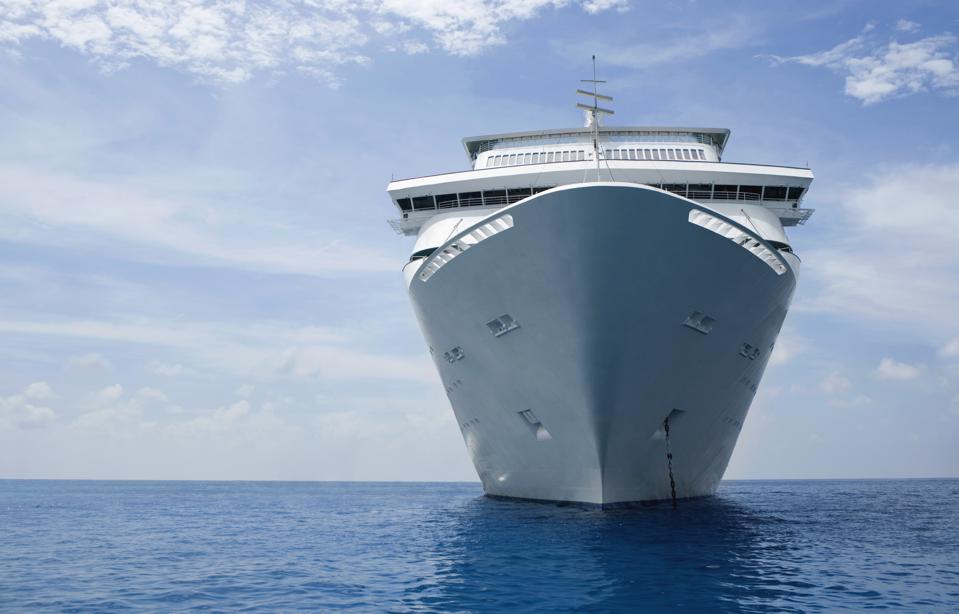 Some cruise lines might not survive the coronavirus crisis. GettySome parts of the travel industry might not survive But it'll be a difficult, and maybe impossible, recovery for parts of the travel industry. "It's going to be a long recovery," says Sophie Anderson, a marketing manager at Cruise Agency Australia, an Australian travel agency that specializes in cruises. "There are going to be collapses and bankruptcies when it's all over. At least one or two cruise lines might finally sink." Anderson says for consumers there will be a silver lining — cruises will be a bargain for the foreseeable future. Of course, if airlines, hotels and cruise lines start to go under, the lower prices will be irrelevant. That's the most long-lasting — and potentially disruptive — effect on travel. Coronavirus will almost certainly claim several well-known travel brands, according to experts. Yes, even with government bailouts. It's inevitable. "History tells us that there will be fewer players in the wake of this event," says Paul Metselaar, chairman of Ovation Travel Group. "In the United Kingdom, we have already seen the demise of Flybe, and other carriers are at risk. It is entirely plausible that there will be other casualties in other segments as well. 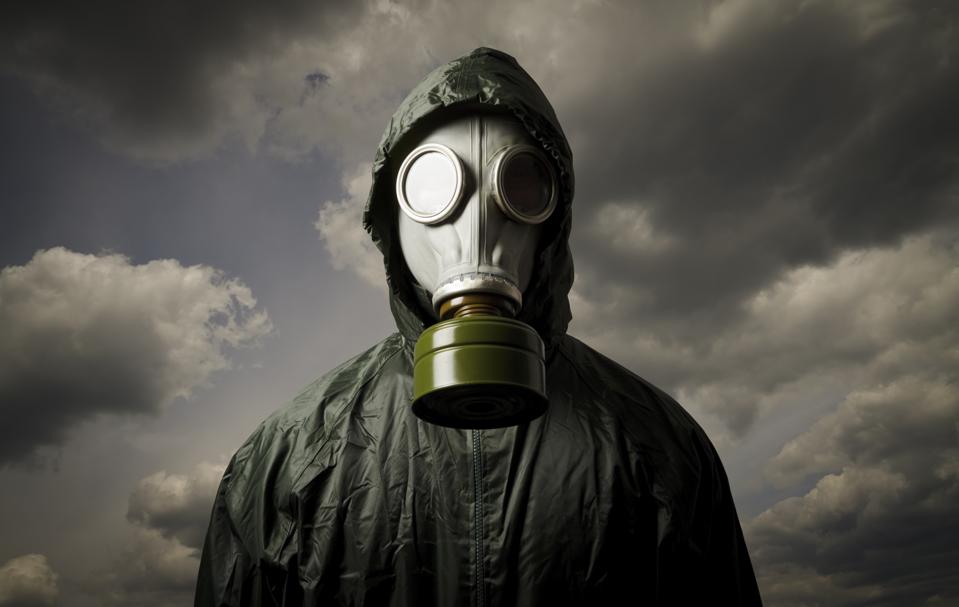 Here are a few tips for traveling after the coronavirus. GettyHere are a few tips for traveling after the coronavirus outbreak No question about it, people will travel after the coronavirus. But how? Look for deals but focus on value. Assuming the coronavirus crisis is over, don't hesitate to book if you find a bargain for late spring or summer. But don't focus exclusively on price. Instead, look at the overall value of the deal. Are they throwing in attraction tickets or including meals? Focus on longevity. Stay away from too-good-to-be-true offers from unknown operators. Chances are, these are fire sales from desperate companies on the verge of bankruptcy. Focus on well-known brands that are financially stable. Consider travel insurance. A reputable insurance policy will protect you if an operator goes out of business. If you can't find a good policy, use a credit card to make your purchase. It can also offer protections from financial insolvency. Bottom line: Travel will continue after the coronavirus outbreak. The industry will return sooner than you think, and with some great deals. Related: |
| Travel agencies ride out coronavirus scare - Washington Times Posted: 09 Mar 2020 12:00 AM PDT It may not have been the most auspicious time to gather at the cavernous Washington Convention Center, but international travel agencies over the weekend insisted they were optimistic in the long term despite the impact the COVID-19 coronavirus scare is having on resorts, cruise lines and romantic getaways. For veterans of the travel industry, the consistent message boiled down to: This too shall pass. "I think the [travel] industry itself has weathered a lot of storms, so I think this [virus outbreak] is probably not the worst type of storm," said Marco Fernandes, vice president of Sagres Vacations based in Fall River, Massachusetts, which specializes in package trips to Portugal and Spain. Sagres Vacations was one of more than 80 international travel agencies at the Travel and Adventure Show in the District over the weekend boasting luxurious getaways and adventures to Africa, Asia and Europe. Many of the thousands who attended the expo were looking to plan vacations abroad despite closed borders and headlines about quarantined cruise ships during the cascading coronavirus crisis. More than 111,000 infections in over 100 countries and territories have been confirmed. Travel bans and infection rates are barring some Americans from international travel, and fear of the virus that causes the COVID-19 respiratory disease has postponed other trips. Travel agency executives say preparedness should take precedence over fear. M. Carmen Carbonell, president of Your Own Italy agency, said bookings surged this fall before a "real slowdown" in January and February. Italy on Monday extended its travel lockdown to the entire country. "Obviously, [the virus] is not a good thing for the tourism economy in Italy, but we know this too shall pass," Ms. Carbonell said. While COVID-19 is spreading in Europe, multiple travel agencies in European markets say bookings are surprisingly robust. Petros Zissimos, managing director of Hellenic Holidays, said the virus has not affected "the flow of booking" for his agency's upscale trips to Greece, nor does he have concerns that the virus will impact future business. Virus concerns, he said, have created a "springboard" for 2021, with consumers planning trips farther in advance. "Greece has done a fantastic job monitoring. … There are no cases on the islands [and] very few in Athens," Mr. Zissimos said. "The majority of [confirmed] cases [in Greece] are in a city that actually is a port that people are coming to from Italy, so it's being contained there." Taking a hit in Asia A walk through the convention aisles for Asian markets indicated a more potent effect on tourism and travel. Ridership on Japan's vaunted transportation system is decreasing as fears of the virus increase. The Central Japan Railway Co. reported an 8% decrease in ridership on high-speed trains in February compared with figures from last year. General Manager Masahiro Nakayama said the dip in business could affect the Japanese economy in the long term. "Our ridership for these trains is a direct parameter of the condition of Japanese economy," Mr. Nakayama said. "I think people are concerned if they see the numbers of the train ridership go down by 8%. "The movement of people has been slowed down, so this might [have] some impact on our business overall — and not just our business, but the entire Japanese economy," Mr. Nakayama said. Other travel agencies focused on Asian markets are also feeling pain. Melissa-Lee Mathewson, senior destination specialist for Toronto-based Goway Travel, said the outbreak of COVID-19 has taken a toll on the agency's travel packages to Asian markets, but "not to the extent most people would think." "[Goway] has been around for 50 years now, so we've weathered a lot of storms like SARS and the economy and everything," Ms. Mathewson said. "We've done a lot. We're not overly concerned with what [the outbreak] is doing at this point because we know that once it's over things will boom right back up again." Ms. Mathewson said trips to Europe and Africa are "selling like normal." While travel agencies work to maintain bookings, insurance brokers are experiencing an unusual surge in business. Travel Insurance Center represents 20 of the largest travel insurance agencies in the United States. As COVID-19 spreads into some of the world's most popular vacation destinations, consumers are checking their insurance coverage. Agent representative Brandon Hughbanks said his phone has been ringing since the virus spread into Italy, and his inbox is filled with double the messages he usually receives. "Once [the virus] was outside China and Singapore, we got news of South Korea, and then a couple days later Italy was announced and the phones just went nuts," Mr. Hughbanks said. |
| You are subscribed to email updates from "travel-agency-packages" - Google News. To stop receiving these emails, you may unsubscribe now. | Email delivery powered by Google |
| Google, 1600 Amphitheatre Parkway, Mountain View, CA 94043, United States | |


Comments
Post a Comment